

Many people imagine Africa as dry desert that is hot all year round. In fact Morocco, in the far north-west of the continent, has four seasons, and its climate varies greatly from region to region. Here is a guide to Morocco’s climate and the best time to visit each area.
Morocco’s climate
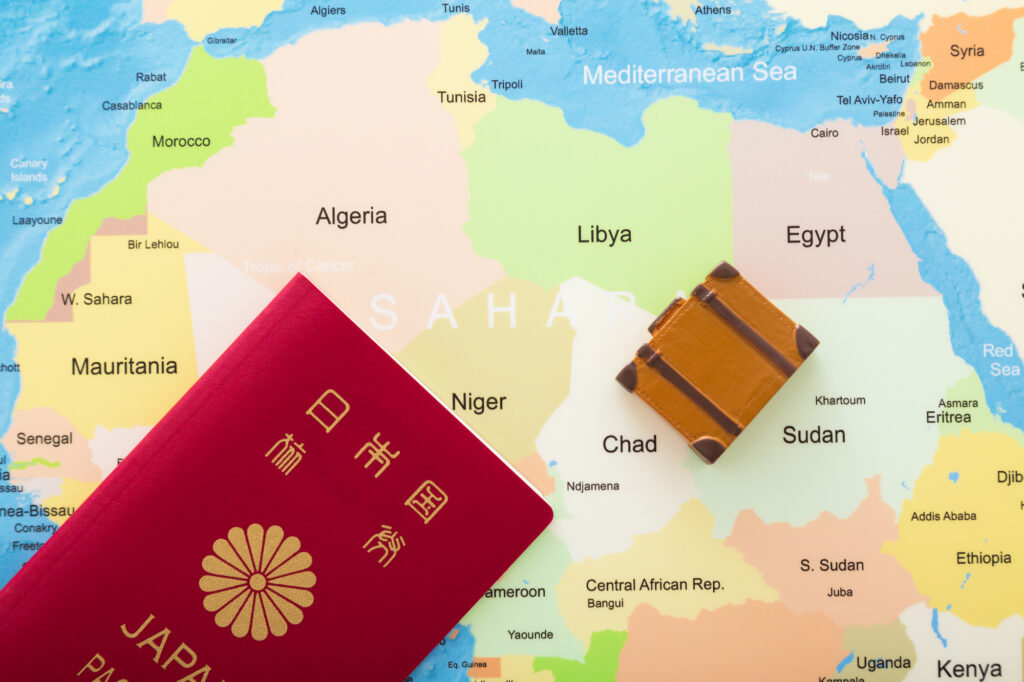
The Atlas Mountains run across Morocco from south-west to north-east, and the climate changes sharply on either side of them.
North of the Atlas, a Mediterranean or oceanic climate keeps things mild and pleasant all year. Sunny days are the norm, and from May to September it hardly rains.
South of the Atlas lies a desert climate. It rains very little all year, the air is extremely dry and almost nothing grows. Temperatures are very high — daytime highs can exceed 50°C from June to August — and the difference between day and night is huge: even after a hot day, nights are cold.
Morocco’s four seasons
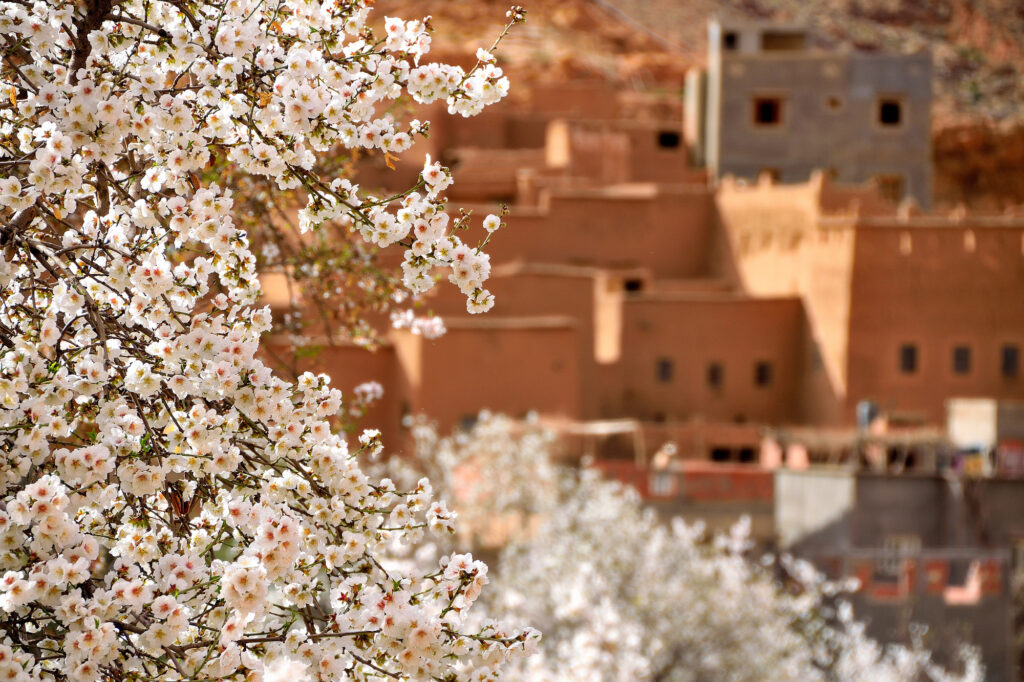
Morocco is not hot all year: like Japan, it has four seasons, so it is worth coming back to see how the landscape changes.
- Spring (March–May): the most pleasant season of the year, when fruit trees and roses, Morocco’s national flower, are in bloom.
- Summer (June–August): very hot and dry, with little rain and strong sunshine.
- Autumn (September–November): still hot at first, becoming comfortable from around October.
- Winter (December–February): days are mild and can reach 20°C, but mornings and evenings are cold.
The best time to visit, region by region
Morocco can be enjoyed at any time of year, but spring and autumn, warm and comfortable, are especially recommended. The rainiest months are December to March, though rainfall is much lower than in Japan.
July and August are the holiday season, with the most visitors; hotels and restaurants are hard to book, so plan early.
As a Muslim country, Morocco observes Ramadan, when people fast from sunrise to sunset, and Eid al-Adha, when families gather to sacrifice a sheep or cow. Many restaurants close during these periods, so if Moroccan food is a highlight of your trip, avoid these dates.
Marrakech
Summers in central Morocco are very hot, sometimes close to 40°C. In spring and autumn, temperatures of 20–30°C make it ideal for walking around Jemaa el-Fna and the medina.
Fez
The medina of Fez is a maze of narrow lanes closed to cars, so you explore on foot. With summer temperatures near 40°C, long walks can be exhausting; the mild weather of spring and autumn is best.
Chefchaouen
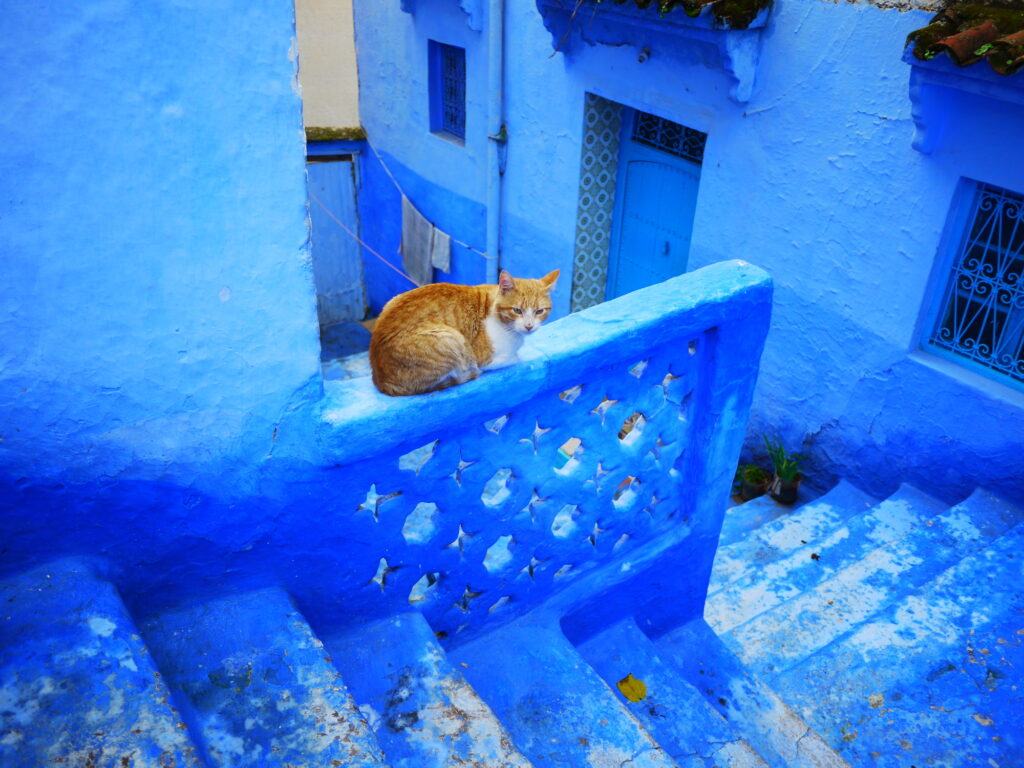
Like Marrakech and Fez, the photogenic “blue town” is best visited in spring or autumn, when it is neither too hot nor too cold and there is little rain.
Casablanca
Morocco’s largest city, on the Atlantic, is sunny and warm most of the year and comfortable in every season. Summers are not as hot as in Marrakech or Fez.
Sahara Desert
The Sahara is a harsh environment at any time, but spring and autumn are much more bearable than summer. Visiting in the heat of summer can also be an unforgettable experience — just take good care of your health.
Plan your trip with Morocco Travel Destinations
With landscapes that change with every season and region, Morocco is a country you can return to again and again. Morocco Travel Destinations designs original private tours with much more flexibility than large tour operators, so you can travel your way. Contact us to start planning.