

Strolling exotic streets, riding a camel in the desert, shopping for crafts, staying in a stylish riad — Morocco is an exciting destination. To enjoy it fully, pack clothes suited to its climate and culture. This guide explains what to wear in Morocco and the dress etiquette of a Muslim country.
Morocco’s climate
Because of the Sahara, many people imagine Morocco as hot and dry all year. In fact the climate differs greatly on either side of the Atlas Mountains, which cross the country from south-west to north-east. North of the Atlas it is mild — a little warmer than Japan but dry and comfortable. South of the Atlas lies the desert, very hot and dry by day.
Morocco also has four seasons: it is coldest around January–February and hottest around July–August, as in Japan. Overall it is drier, with less rain and stronger sunshine.
What to pack for every season
The sun is stronger and the air drier than in Japan, so whatever the season, protect yourself from sun and dryness. We recommend packing:
- A hat
- Sunglasses
- Sunscreen
- A face mask
- Throat lozenges
- Lip balm
- Oral rehydration powder (to prevent dehydration)
Spring (March–May)
Days are warm and pleasant, around 25°C, with flowers in bloom and green landscapes — the best time to visit. For sightseeing, wear a short- or long-sleeved shirt, trousers and trainers. Mornings and evenings are much cooler, so bring a hoodie or cardigan, which also protects against the sun.
Summer (June–August)
The sun is fierce and temperatures can exceed body temperature, but the heat is dry rather than humid. With big differences between day and night, wear layers you can easily remove: a short-sleeved shirt, trousers and trainers, plus a light cardigan. Bring cooling accessories or wrap a damp towel around your neck to avoid heat exhaustion.
Autumn (September–November)
Early September can still be hot, but from around October days are comfortable and perfect for exploring. As in spring, wear a short- or long-sleeved shirt, trousers and trainers, and bring a jacket for the cool evenings.
Winter (December–February)
It is warm in the sun during the day, but mornings and evenings are as cold as in Japan — and with low humidity it can feel even colder. Mountain areas are especially cold. Pack a sweater and a warm down jacket; a scarf, gloves and heat packs are also useful.
What to wear in the Sahara
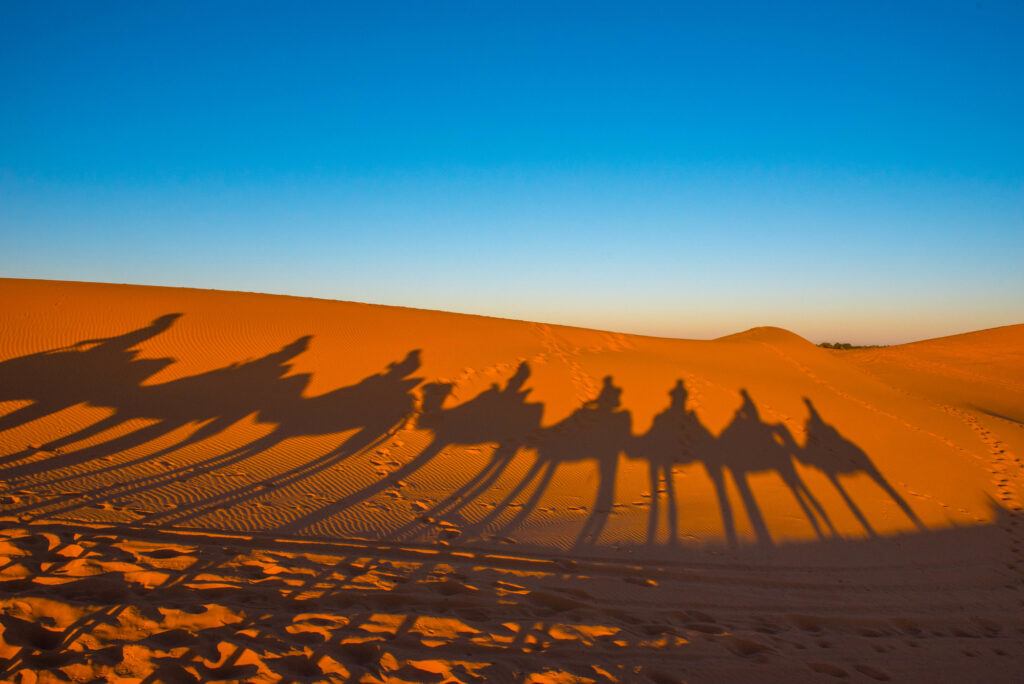
The Sahara is a highlight of any trip to Morocco, and sunrise over the dunes is unforgettable. Days are scorching and extremely dry, but mornings and nights are very cold and can drop below freezing. To watch the sunrise, bring a thick hoodie or fleece even in summer, and a heavy down jacket in winter. Wear trainers rather than sandals, as the fine sand gets into your shoes, and bring a scarf to keep sand out of your hair.
Do women have to cover up in Morocco?
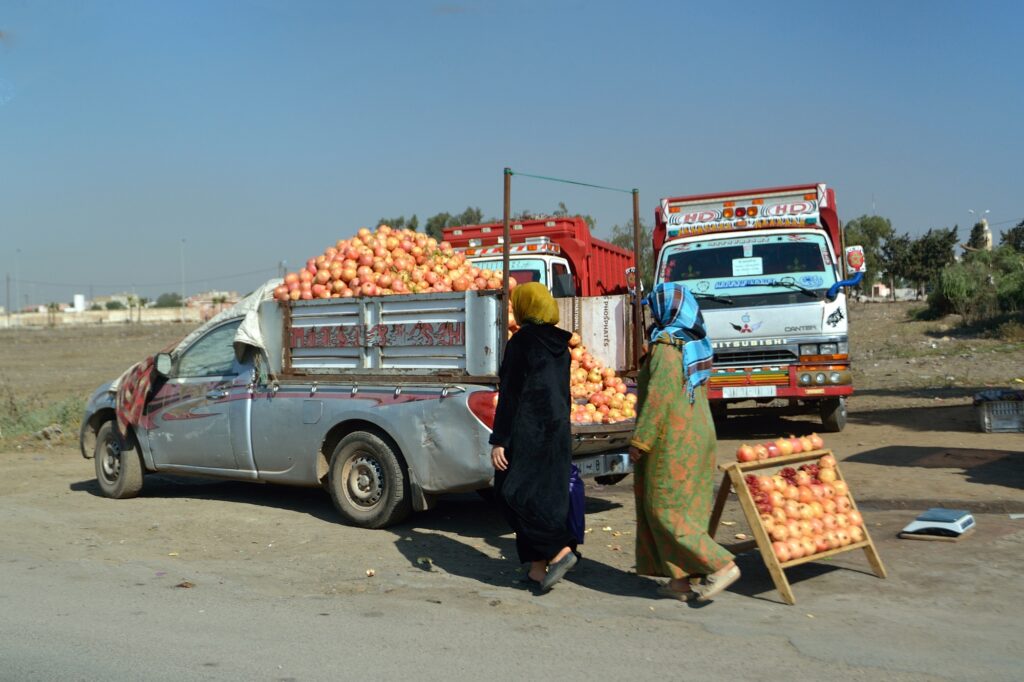
Morocco is a Muslim country, and Islamic teaching holds that women should not show their hair or skin to anyone but family and husband. Rules are less strict than in the Middle East, but older women in rural areas usually cover up, while in big cities such as Rabat and Casablanca you will often see women in T-shirts and skirts.
As a visitor, you do not need to cover your hair or whole body — comfortable everyday clothes are fine. Avoid very revealing or tight-fitting clothes, such as a vest top on its own or very short skirts, which can also help you stay out of trouble.
Visiting a mosque
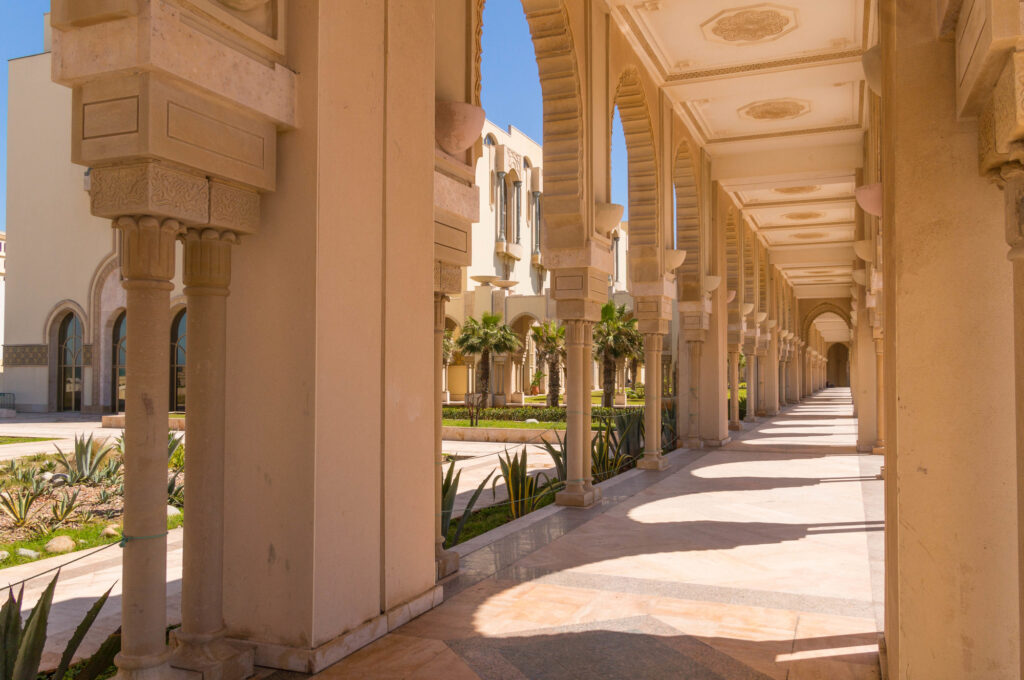
The one exception is mosques, which are sacred places. When entering, women — including visitors — should cover their skin and hair: wear long sleeves and long trousers, and cover your hair with a scarf (hijab). Bring a large scarf or shawl; Morocco has many shops selling beautiful ones, so you could also buy one locally.
Looking neat is a sign of respect
Moroccans care a great deal about appearance, and dressing neatly is a sign of respect. Avoid walking around in dirty, worn-out clothes or something that looks like pyjamas, or people may not take you seriously. In upscale restaurants, wear a jacket or a smart dress, as the occasion requires.
Dress for the climate and customs, and enjoy Morocco
With clothes suited to Morocco’s climate and etiquette, you can enjoy your trip to the full. Morocco Travel Destinations designs original private tours with fewer restrictions than large group tours: take your time in the craft shops or stop at a shop you had not planned to visit. Our driver-guides know Morocco inside out. Contact us by phone, LINE or our form.