

In the far north-west of Africa, Morocco has everything: vast deserts, Roman ruins, exotic streets and beautiful crafts. It is a long way from home for many travellers, so it is natural to ask: is Morocco safe? Can a woman travel there alone?
This article explains the safety situation in Morocco and the problems travellers most often run into, so you can enjoy your trip with peace of mind.
Point 1: How safe is Morocco?
Morocco is relatively safe compared with many African countries, and women do travel there alone. It is not risk-free, however.
Japan’s Ministry of Foreign Affairs rated Morocco at Level 1 on its four-level scale (as of September 2023), meaning travellers should “exercise caution to avoid danger”. Be especially careful in places with many foreign tourists, and stay away from demonstrations and gatherings. Check your own government’s travel advice before you leave.
Point 2: Areas that need extra care
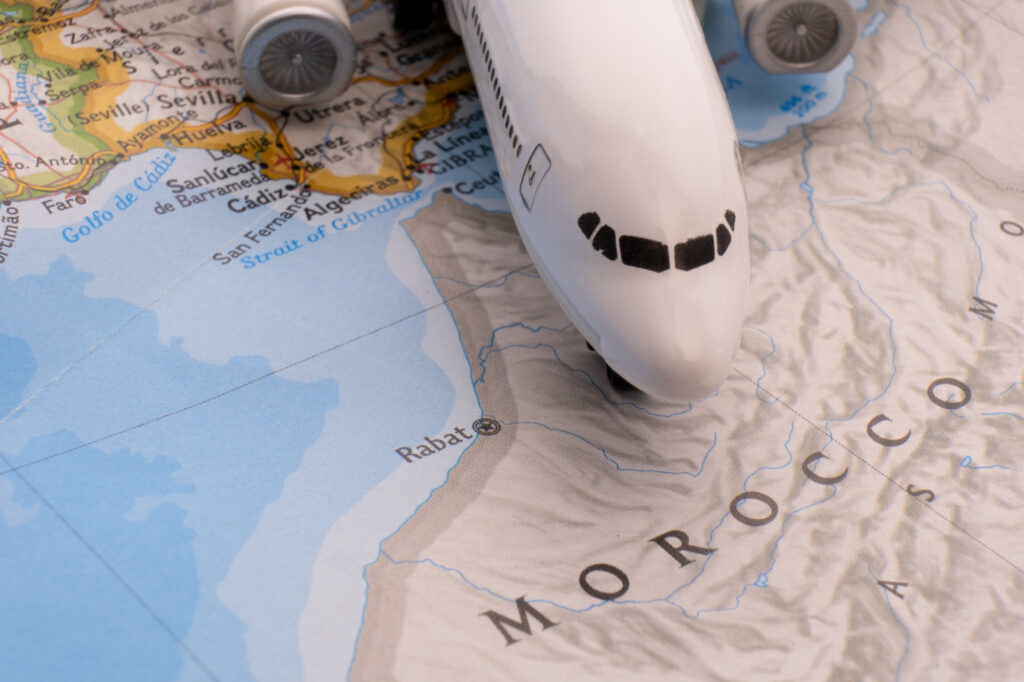
As of September 2023, the border between Morocco and Algeria is closed. The border area is not safe, so we recommend staying away from it.
Cities with many foreign visitors — Casablanca, Tangier, Fez and Marrakech — also see more crime targeting tourists. Casablanca in particular is said to be a place where Japanese visitors are often targeted.
Point 3: Common problems and how to avoid them
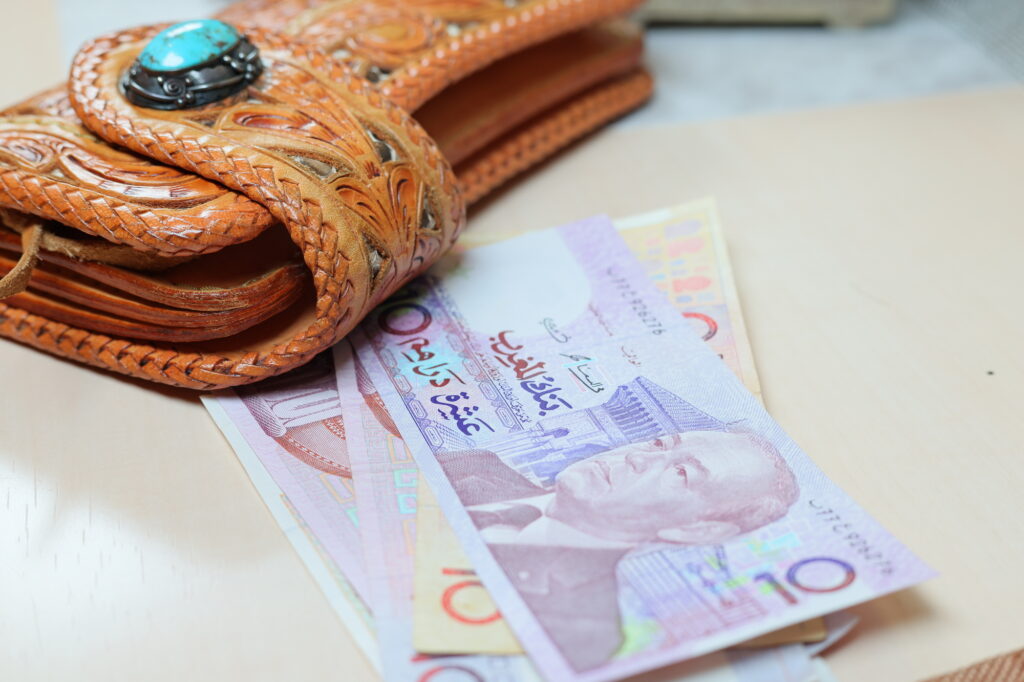
Pickpocketing and theft
Pickpocketing and theft are more common in Morocco than in Japan, and tourists are often assumed to carry a lot of cash. Phones, cameras and passports can also be stolen and resold or misused.
- Leave large amounts of cash and valuables in the hotel safe.
- Bring a credit card as well as cash: stolen cash is almost never recovered, while a card can be blocked with one phone call.
- Always carry a copy of your passport.
- Keep the valuables you must carry in a money belt or neck pouch under your clothes, and never leave your phone or wallet on a restaurant table.
- Wear your backpack or bag in front of you, lock the zips, and never use your back trouser pocket.
Extortion and sexual assault
Most people in Morocco are kind, but sadly a few commit extortion or target women. These crimes happen mostly in deserted places and at night, so avoid empty streets and do not go out alone after dark. Keep your distance from anyone behaving strangely, and do not follow strangers who approach you, however friendly they seem. Avoid revealing clothing, which also shows respect for local religious customs.
Overcharging
Some shop and restaurant staff charge tourists several times the normal price. Ask your hotel staff about typical prices before you go shopping.
With taxis, always state your destination before getting in and ask the driver to use the meter. Check your change on the spot, and carry small notes and coins, as you may be told there is “no change”.
Taking photos
Photography is forbidden in the following places, and your camera may be confiscated:
- Inside mosques
- Government buildings
- Military sites
- Airports
- Border areas
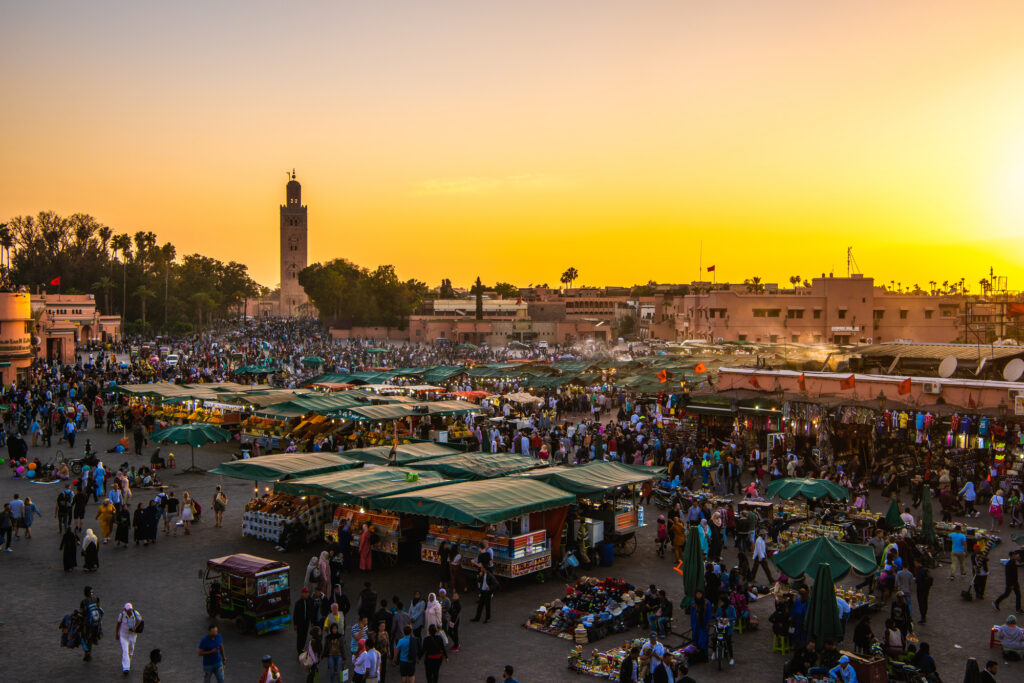
Never photograph local people without permission; Moroccan women in particular often prefer not to be photographed. If you really want a picture, ask first and agree on any tip. On Jemaa el-Fna square in Marrakech, street performers will usually ask for a tip if you photograph them — and sometimes just for watching.
Food and drink
Tourists may drink alcohol, but only in licensed hotels, bars and restaurants — never in the street. Do not drink tap water; buy bottled mineral water. Be careful with street food, as hygiene and cooking standards vary.
Summary
Morocco is a great destination, including for women travelling alone, but behaving as you would at home can get you into trouble. Keep these tips in mind and enjoy your trip.
The safest way to travel in Morocco is with a driver and guide. Large group tours, however, follow fixed routes and leave little freedom. At Morocco Travel Destinations we design original, private itineraries that big tour companies cannot offer: ride a camel in the Sahara, spend a whole day browsing crafts, or stop at a shop you spot on the way. If you want both the reassurance of a guide who knows Morocco well and the freedom to go where you like, contact us.