

At the north-western tip of Africa, a stone’s throw from Europe, Morocco is a crossroads of histories and cultures. It has nine UNESCO World Heritage Sites, all of them cultural. Each has its own atmosphere, and because many are whole cities or old medinas, you can experience them simply by walking their streets.
Medina of Fez
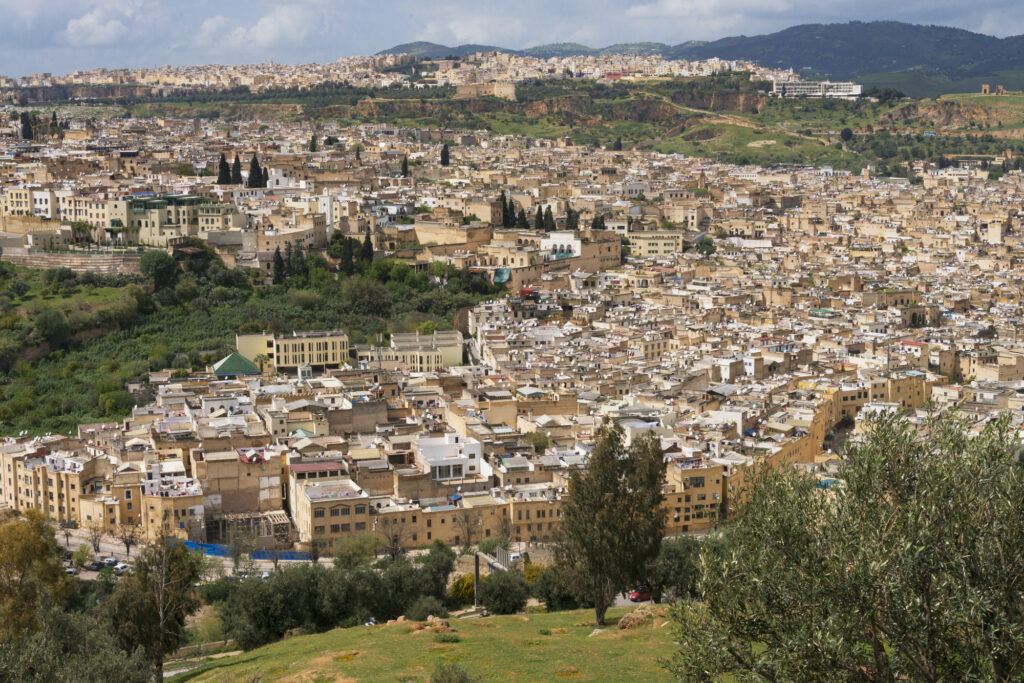
Google Maps: Medina of Fez
The medina of Fez was the first site in Morocco to be inscribed on the World Heritage List, and the former capital of an Islamic dynasty. Enclosed by walls to keep out invaders, it is a maze of narrow, winding lanes — often called the largest labyrinth in the world.
Still a centre of culture and faith, it preserves madrasas, palaces and other historic buildings as they were, and is famous for traditional crafts such as leather tanning. The lanes are too narrow for cars, so goods are carried by donkey or handcart, and with almost no modern buildings, walking here feels like stepping back into the medieval Islamic world.
Medina of Marrakech
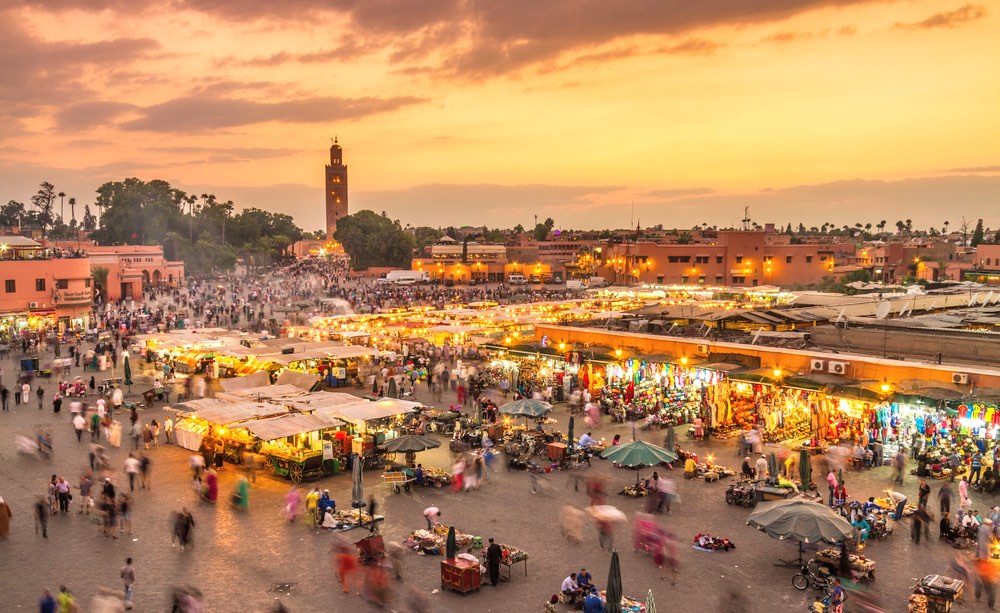
Google Maps: Medina of Marrakech
Founded in the 11th century as the capital of the Almoravids, Marrakech remained a political and cultural centre until the 17th century. Its landmarks from that era include the Koutoubia Mosque and the ruins of the El Badi Palace. Its many ochre buildings earned it the name “the Red City”.
Its most famous sight is Jemaa el-Fna square. By day you can enjoy food stalls and street performers; as evening falls, more stalls appear, lights come on and crowds gather, with music playing and people chatting over street food — like a festival. A café terrace overlooking the square is the perfect place to take it all in.
Ksar of Ait Ben Haddou
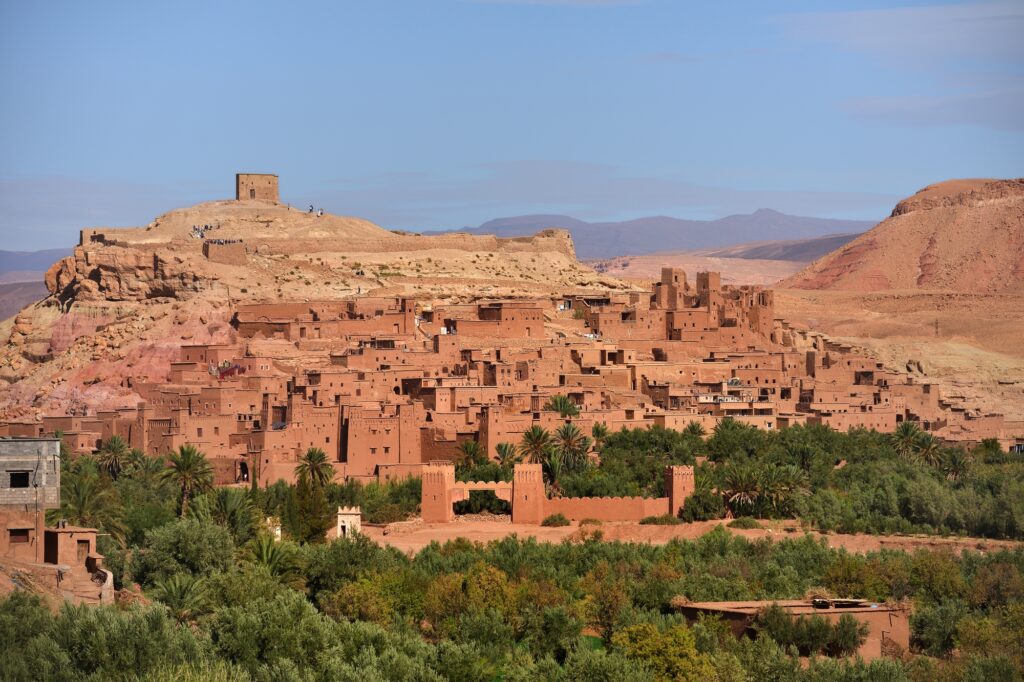
Google Maps: Ksar of Ait Ben Haddou
On the road from Marrakech to the Sahara, Ait Ben Haddou is a ksar — a fortified village of kasbahs and houses — built by the Berbers, Morocco’s indigenous people. A few families still live here today. Its thick mud-brick buildings in traditional style create a striking landscape that has been chosen as a location for many films. Climb to the top of the hill for a magnificent view over the village and the surrounding land.
Historic City of Meknes
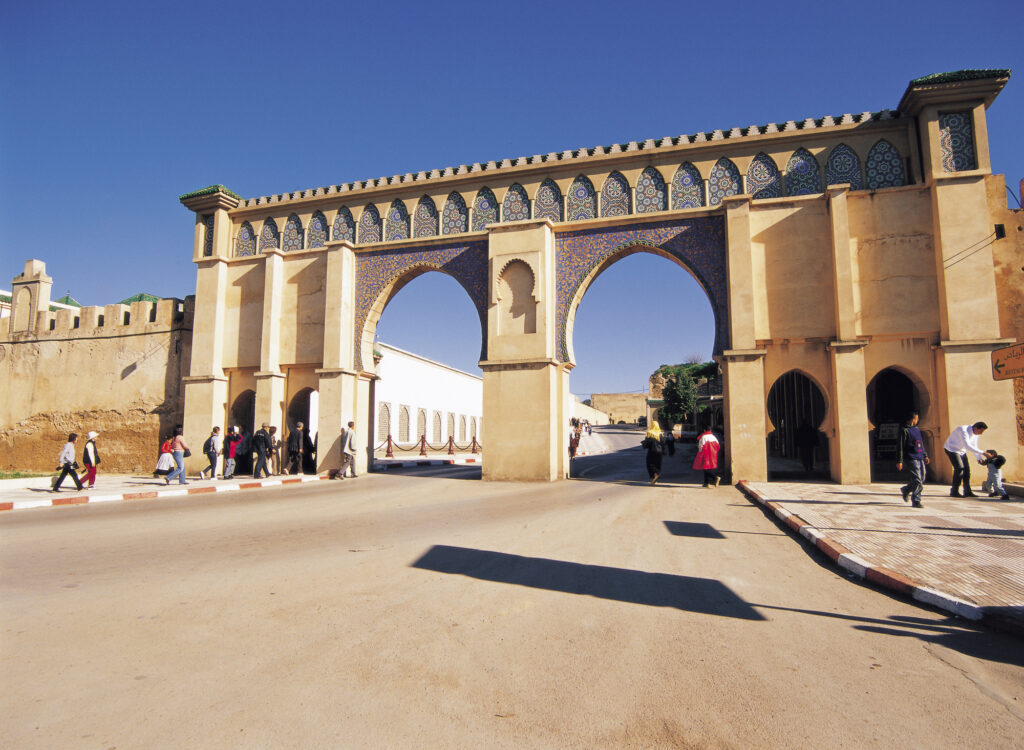
Google Maps: Historic City of Meknes
Founded in the 11th century, Meknes became the capital of the Alaouite dynasty in the 17th century. Sultan Moulay Ismail, who cultivated relations with Europe, rebuilt it as a city blending Islamic and European styles, known as Hispano-Moorish.
The Mausoleum of Moulay Ismail, with decoration considered a masterpiece of Islamic architecture, is open to non-Muslims. Bab Mansour, covered in fine mosaics and carving, is said to be the most beautiful gate in North Africa.
Archaeological Site of Volubilis
Google Maps: Archaeological Site of Volubilis
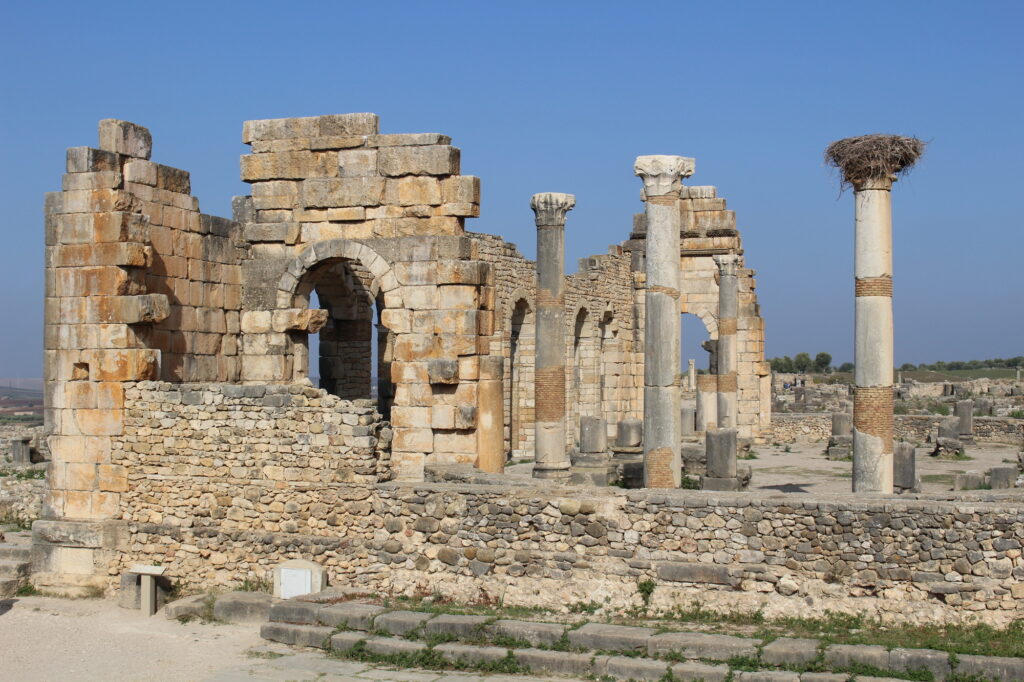
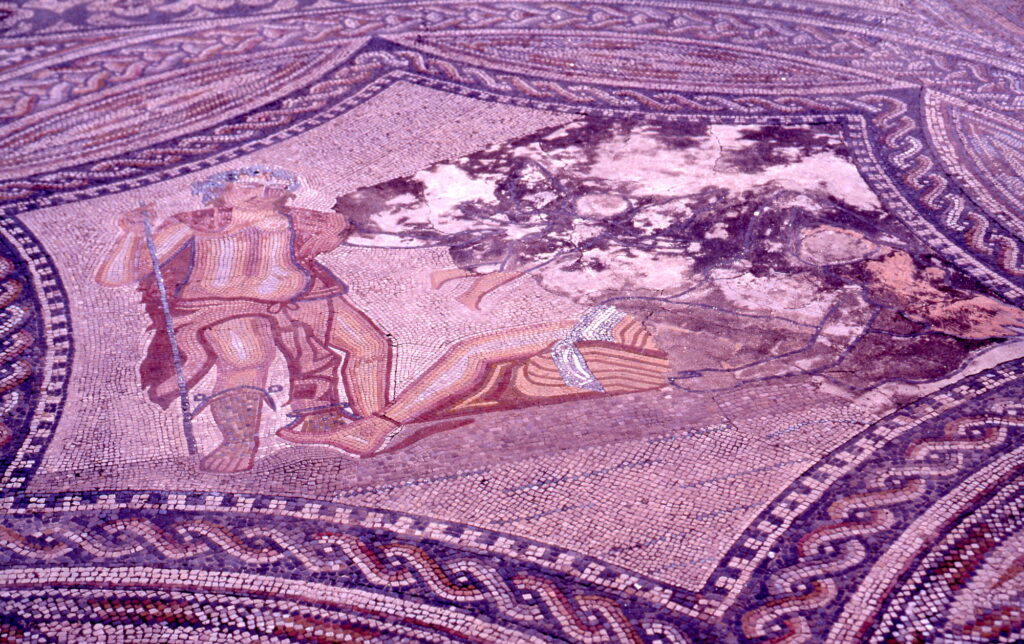
Volubilis flourished under Roman rule from around the 1st century BC to the 2nd century AD, and its buildings survive as an archaeological site. The Triumphal Arch of Caracalla, temples, the forum and the baths show how prosperous the city once was. Its houses were built around courtyards, a layout thought to have influenced later Moroccan architecture, and many of these courtyards still hold beautifully preserved mosaics.
Medina of Tetouan
Google Maps: Medina of Tetouan
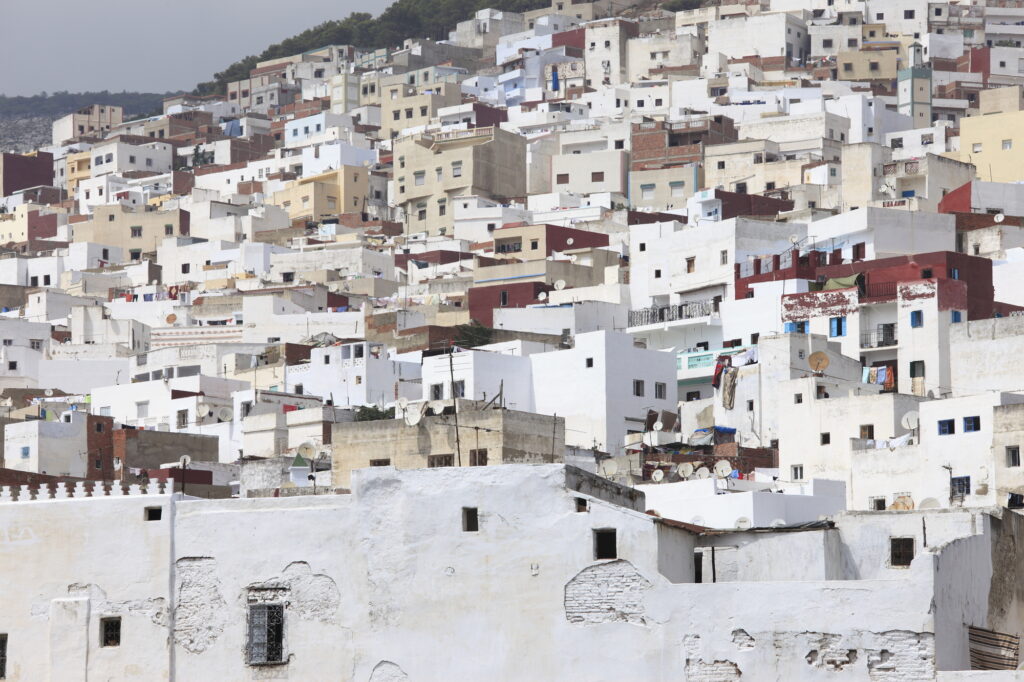
Near the Strait of Gibraltar, Tetouan is a port linking Morocco and southern Spain, founded by Muslims and Jews who fled Andalusia. Under Spanish rule in the early 20th century, it became a meeting point of Spanish and Arab cultures, and its many white buildings earned it the name “the White City”. Less touristy than Marrakech or Fez, it offers a simple, authentic taste of Morocco.
Medina of Essaouira
Google Maps: Medina of Essaouira
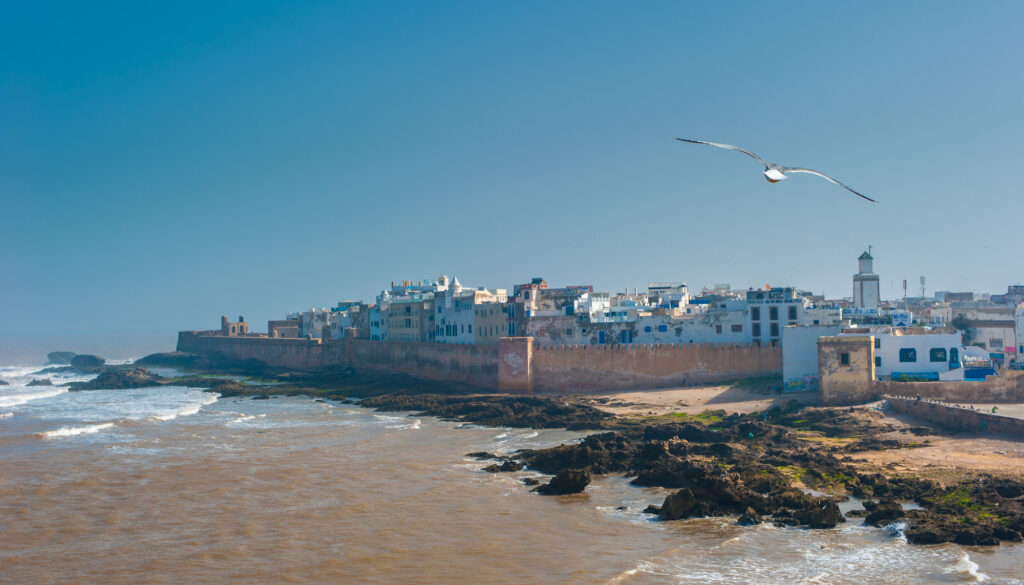
Laid out in the 18th century by a French architect, Essaouira is a port with a European feel. With its mild climate and wide beach, it is a popular resort. Long loved by artists, its streets are lined with shops selling paintings, carpets and tableware. It is also a busy fishing port where you can eat freshly caught fish at low prices.
Portuguese City of Mazagan (El Jadida)
Google Maps: Portuguese City of Mazagan (El Jadida)
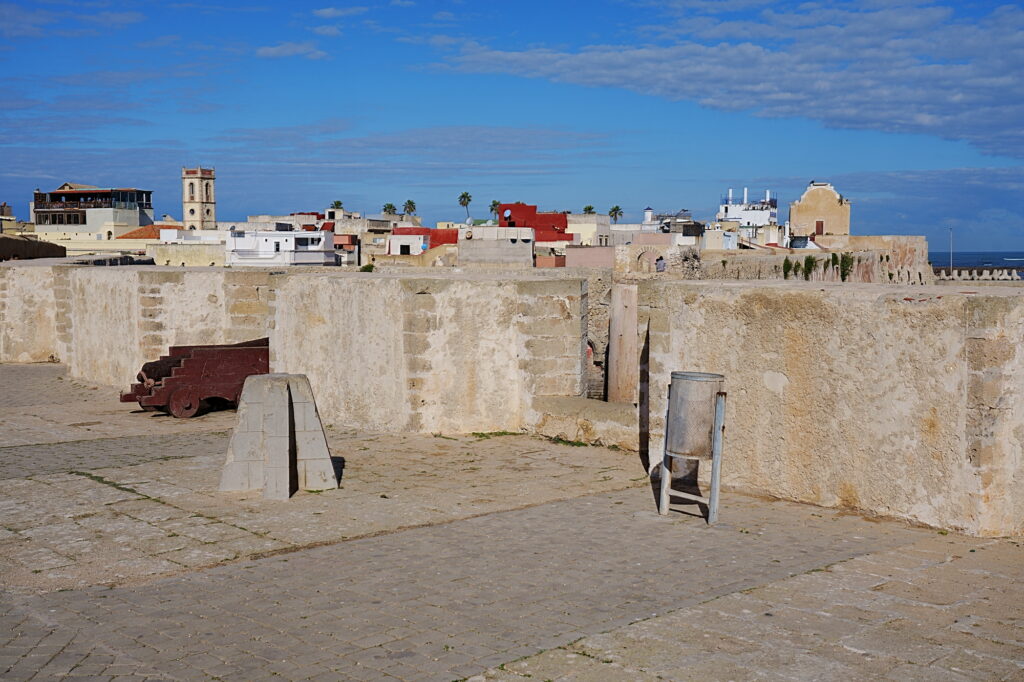
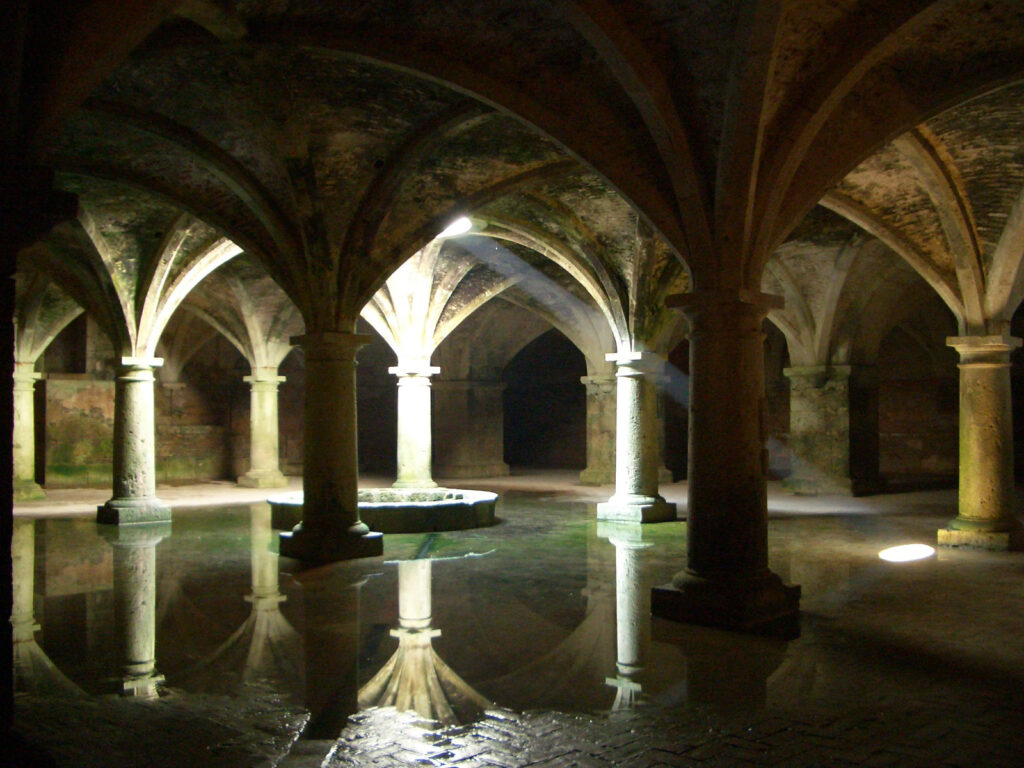
Mazagan was built in the 16th century as a Portuguese fortified port. The Portuguese left in the 18th century, and the town was later rebuilt by Moroccans and renamed El Jadida. It is still enclosed by walls and bastions lined with cannons facing the sea. Its highlight is the underground cistern, originally built as an armoury: with its massive columns it feels like a cathedral, especially when light reflects on the water.
Rabat
Google Maps: Rabat
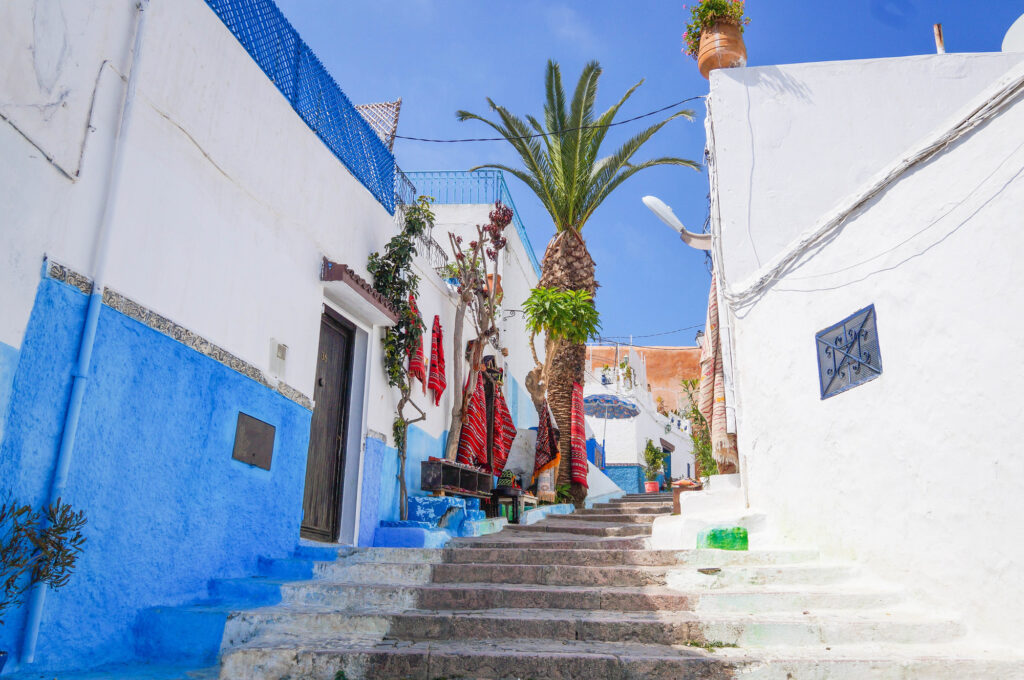
Rabat is Morocco’s capital, smaller and calmer than Casablanca. Both its old town and its modern town are World Heritage: the medina to the north dates from the 12th-century Almohads, while the new town to the south was built during the 20th-century French protectorate. Do not miss the Kasbah of the Udayas, a walled quarter of blue-and-white houses facing the ocean, with a superb viewpoint.
Visit Morocco’s World Heritage Sites with Morocco Travel Destinations
Visiting these sites is the best way to feel Morocco’s diversity of cultures and history. Large group tours do not always include the site you dream of, and travelling alone by bus or train can mean long waits and few connections. Morocco Travel Destinations designs original private tours that let you choose the World Heritage Sites you want to see, with a driver-guide and no wasted time. Contact us to plan your trip.